Couture Press is an international search engine primarily geared towards the fashion industry.
CouturePress.com
Launched initially as an online magazine, Couture Press International has grown, evolved, and transformed into a directory for today’s fashion elite industry insiders. Everything from Fashion Weeks, booking talent, finding MUAH stylists, to DJ’s can be sourced and booked through this website. If you happen to be a designer, you can schedule models for your next show, book a DJ, and network via the search engine, if you are a stylist of any kind you have the capability of setting appointments and even accepting payment through the platform. In today’s tech-startup savvy world, Couture Press breaths fresh air to an industry dominated by serious business practices. Many of which come into the game with the sole purpose of making money for themselves and already established industry giants. Couture Press is a tool that assists smaller, more independent designers, models, agencies, events, and more become well established and maintain a consistently relevant presence with their intended audience. Additionally Couture Press serves as a directory used by everyday people to find designers they enjoy, events they wish to visit, and stylists they wish to hire for their own personal use. All in one place! Showing us that any business can change and transform into the future of any industry.
CouturePress.com
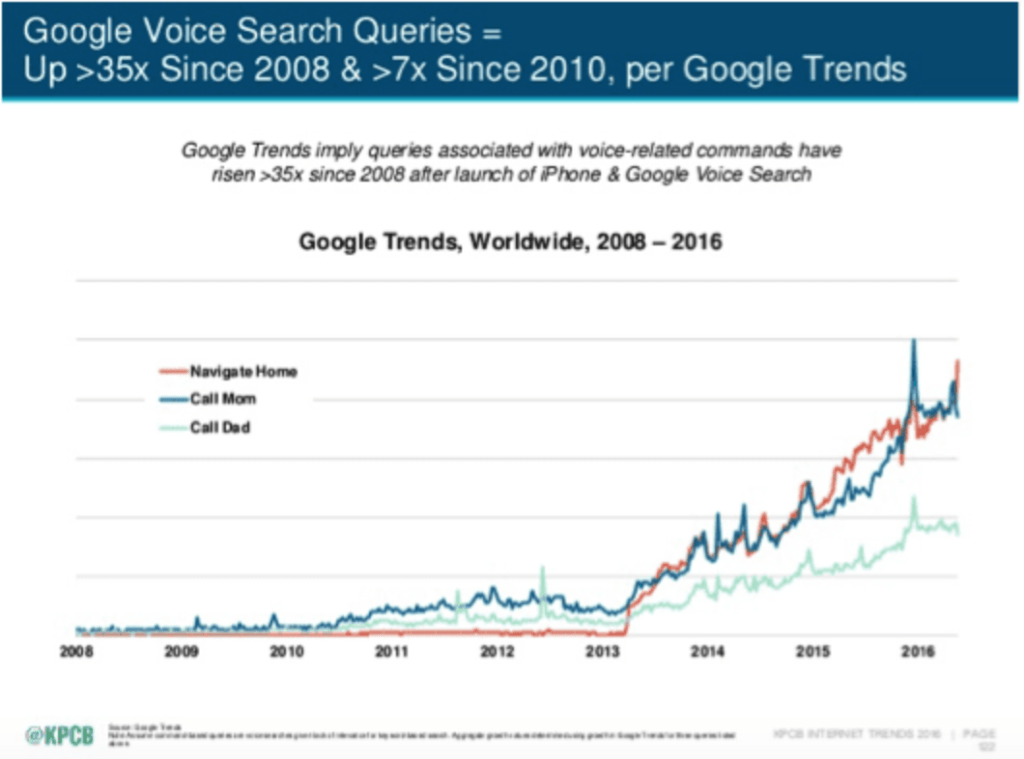
Search Engines have become a pivotal component in the everyday lives of all consumers. People search the internet for everything “google it” has become synonymous with getting answers, “yelp it” has become parallel with finding the right place for dinner. As seen from Amazon’s trajectory, an austere beginning can lead to greater things. Today search engines have evolved into AI and Voice recognizable software that makes doing day to day activities seamless (Sterling, 2019). Alexa, Siri, and Google have all released their version of the new smart office/home, search engines that can not only answer questions but also tell you the weather, remind you to pick up dry cleaning, and add eggs to your grocery list. All with the ease of using your voice. Whether on your phone, in your car, or at your home, Bluetooth capabilities have altered and made the transition from typing a question to simply asking a question out loud possible. So what does that mean for a search engine directory such as Couture Press?
Llewellyn, 2018
A trend primarily seen is the increase in the mobility of all websites. 50% of all searches are now conducted on mobile devices (Llewellyn, 2018), and Couture Press must evolve to keep up with the ease of availability other search engines offer today. AI compatibility will be one of the critical components in staying relevant, as well as maintaining a mobile website that functions exactly like their normal online site. Partnering with advertisers will also become a pivotal way Couture Press can remain a power player amidst the sea of search engines meant to hold the capricious attention of the consumer market. Not only being featured by competitors but also partnering to be featured by them as well, creating a symbiotic relationship that is ideal for all parties involved.
Llewellyn, 2018
Staying on top of these trends will help Couture Press and their platform maintain a steady flow of use in the future. Being capable of growth and able to keep up with their consumer market, not only in America but on an international level as well. Offering these services to often overlooked consumer markets may even help them succeed and surpass their own intial expectations for growth and versatility moving into the future.
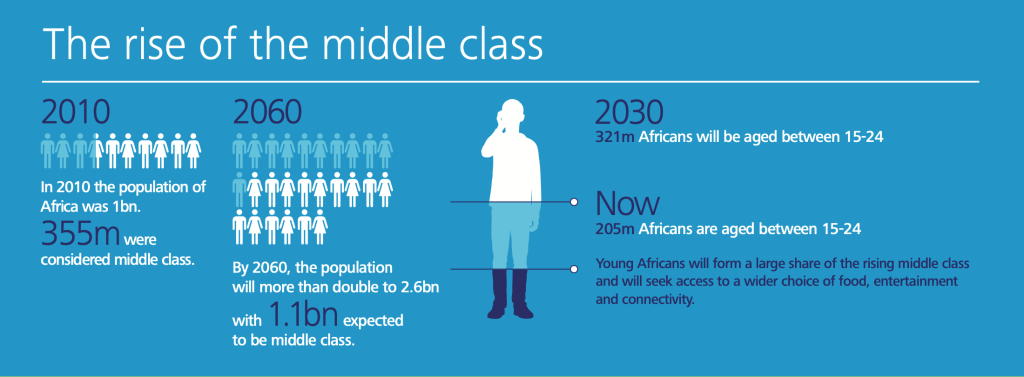
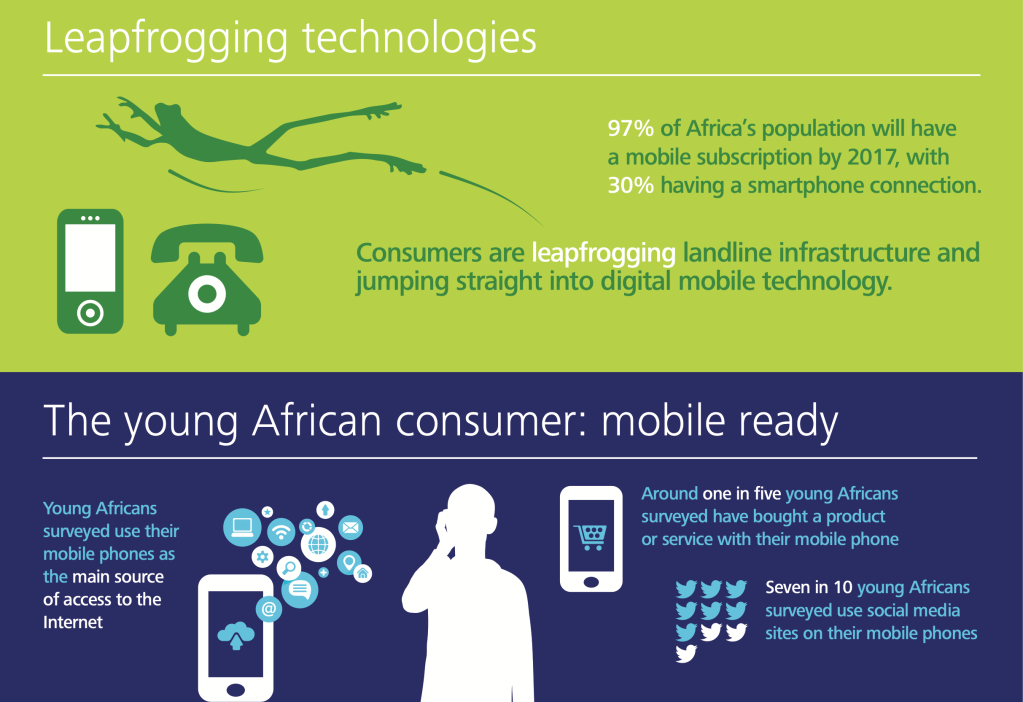
Within my internship at Couture Press, the most significant marketing challenge our industry faces during expansion is finding the best way to connect with the African consumer in a way that speaks to them. Unlike the American consumer, the African market is not fully saturated with influencer marketing as of yet. They still rely primarily on advertising that is seen as antediluvian compared to American marketing methods. Int he last few years, marketing has finally begun to grow outside of utilitarian needs. Gone are the billboards for cellular plans and energy companies, and slowly we have begun to see marketing for beauty and fashion trends. With this industry growth, we are seeing an increase in marketing firms and luxury based goods and businesses. The African consumer has begun to grow at such speed that they have seamlessly and miraculously passed over the overextending presence of malls, and instead, we have seen a rise in online shopping (Signé, 2018). After critically analyzing this consumer trend, Couture Press will be able to infiltrate and establish themselves in the lives of consumers through print and digital means. Making sure we are using platforms that this particular market is well versed in, as well as uses regularly. What’s App and Facebook are the ideal marketing gem, with Instagram following behind. Knowing this allows for successful marketing partnerships through the use of these social media platforms. Additionally, stand-alone designers and boutiques can gain knowledge about our services through billboards and fashion industry circulation that has been on the rise due to the growth of the fashion market (Asserate, 2018).
(Deloitte, 2017)
One way to do this is to is through positive promotional outreach. Through the use of a promotional campaign, Couture Press can address how they are able to invigorate growth/income to many evolving fashion markets within the region. Given the level of competition today, we must continue to highlight the performance, value, and quality of our international directory, as well as how this can benefit the intended target market. This helps the company in dwindling the costs of wasteful advertising that could eventually lose the company money during such a venture. Concerning company hours and outsourcing of labor, setting up an office within the region the company wishes to expand into could prove beneficial in the long run. Once we receive enough traction within any set space, Couture Press could profit through internship programs, fashion show collaborations, and boutique partnerships within the region to expand its reach and knowledge while learning how best to saturate the market with their services. Having one single American POC to oversee these individuals could assist in mitigating the need for an expansive amount of labor for these tasks. Primarily and ideally, we should want to see each region/continent/etc. Have its’ own department that mainly focuses on the directions of expansion that work best for each. In this way, each department can help to lay a foundation of real relationships that reach consumers in authentic ways. We want to make sure that the challenges independent and emerging designers face, budget is often the primary motivation behind choices, are eradicated through the use of our services. Using billboards and print keeps us leveled with the current fashion market while using social media and tech platforms prepares us for the future of this developing consumer market.
(Deloitte, 2017)
Citations:
Asserate, A. (2018). African Exodus: Migration and the Future of Europe. SPAIN: Haus Publishing.
Talk of climate change, Co2 emissions, global warming, lack of food in the future, overconsumption, and massive waste are all regular headlines in today’s news world. Companies have been under pressure from consumers to adapt business models moving forward in order to preserve the future of the world. Today we see companies that exist with sustainable business models from sourcing, through production, and finally to consumer. Most recently businesses have added a sustainable approach to their product life cycle post consumption, adopting biodegradable and reusable packaging in order to maintain their sustainablility model past the life of the product.
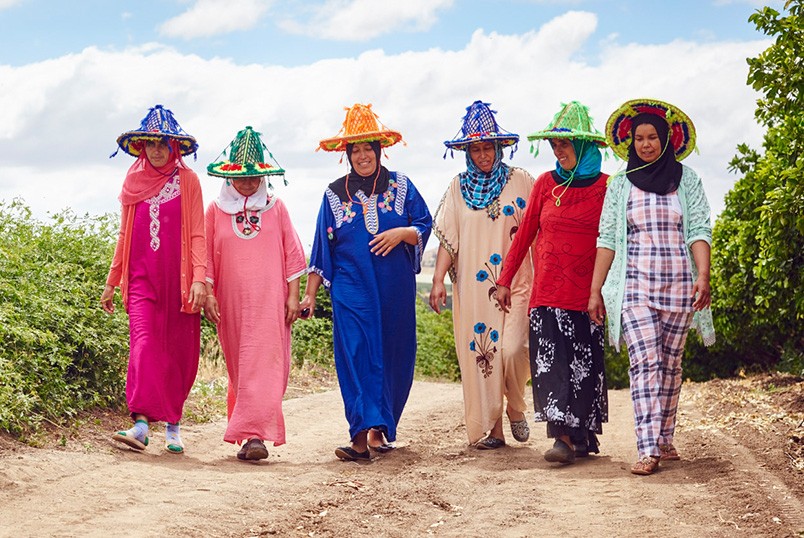
Tiger By Her Side SanaJardin.com
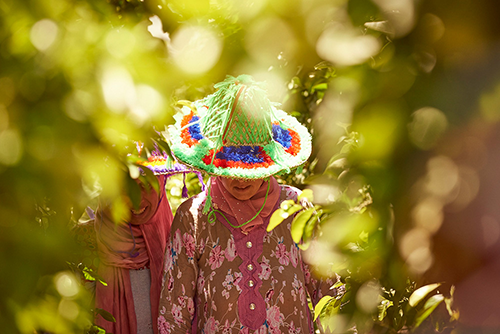
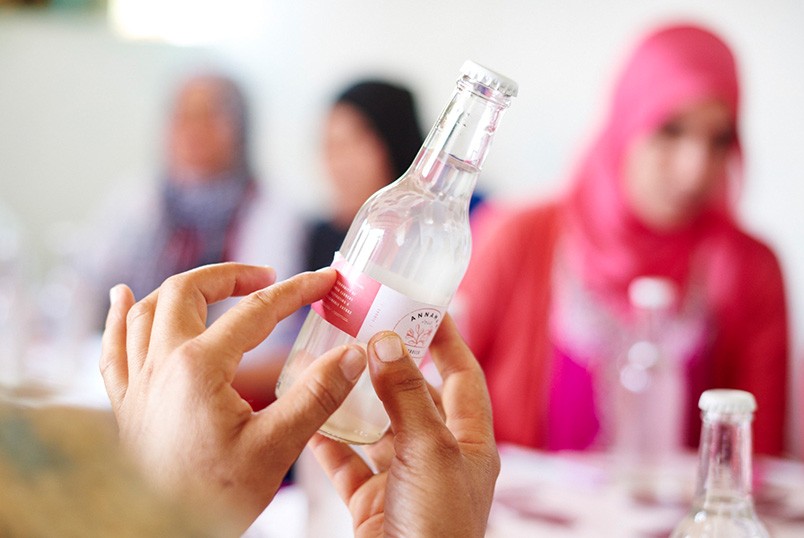
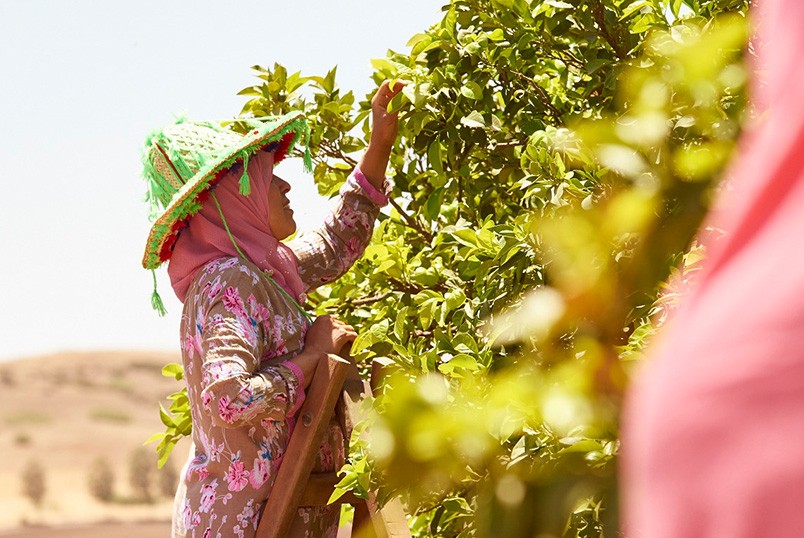
Sana Jardin is the business child of former social worker turned entrepreneur Amy Christiansen Si-Ahmed. Now Sana Jardin is a global brand that holds an ethical and sustainable business model that has helped develop economic stability within indigenous population in rural parts of the world (SanaJardin.com, 2019). Sana Jardin is a fragrance company that sources labor and fragrance from a part of the world that was once inconsistently employed and causing massive flower waste. They now habe been able to further the economic cycle past harvesting and taught the indigenous women in places such as Tiddas and Maaziz to cease the waste of flowers by teaching them to use the flowers after harvest by upcycling the flower blossoms into candles and beverages, in order to create a zero-waste business model. Furthermore, Sana Jardin has partnered with the non-profit organization Nest to teach financial literacy, business, marketing, and leadership skills to women in these agrarian communities in order for them to retain 100% of their proceeds from their own brand and products (SanaJardin.com, 2019).
Beverages by Women of Sana Jardin SanaJardin.com
Sana Jardin itself has never been part of a negative media scandal but many fregrance companies have in the past come under scrutiny. A perfect example is how many fragrance companies continue to be called out for harmful ingredients and lack of transparency (Cook, 2010). But Sana Jardin is looking to combat this negative view by avoiding toxic fragrance chemicals, not conducting animal testing and using ethically sourced essential oils to create powerful yet classic fragrances (SanaJardin.com, 2019).
Harvesting SanaJardin.com
Sana Jardin seems to have bridged the gap between being green for both profit and the environment. Stating that Ms. Si-Ahmed is dedicated to fighting for economic empowerment and cultural tolerance. In addition to continuing the lessons learned from her grandmother who worked to support social and economic development for those in need (SanaJardin.com, 2019). Proving that a sustainable business model can be existent in today’s world while maintaing profitability.
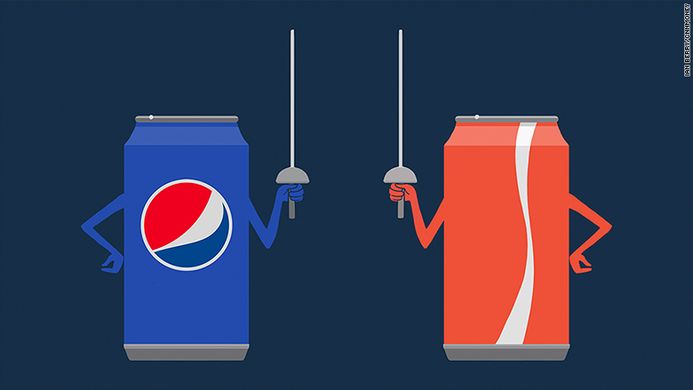
When looking at the major rivalries that exist in the branding world today, we notice that although similar the way they market advertisement to their target market is completely different than a competitor. Rivalries between brands such as UPS and FedEx are a great way to highlight two different types of consumers that exist today. Depending on demographics such as population size, income and personal values can determine how a company will introduce itself to a new or even an already aware market (Kardes, 2010).
The rivalry I have chosen to focus on is between Pepsi and CocaCola who have historically been the greatest brand competitors, as Pepsi was created to directly rival CocaCola (WatchMojo, 2014). Throughout this long standing rivalry we have seen Pepsi come out on top a few times due to how different generations percieve each of these drinks (Brick et al. 2018), but CocaCola continues to restructure their marketing techniques and advertising campaigns in ways that continue to classify it as a topdog brand. Proving that a classic may always be the brand of choice regardless of generation.
“Coke”, as it is so popularly referred to, has consistently used a classic model of approach in regards to advertising (Brick, 2018), choosing initially to focus on their attributes such as providing energy to highlighting their consumer popularity (Staff Coca-ColaCompany.com, 2012), eventually we saw the transition from how many Americans drank Coke to how classic the brand was through slogans such as “America’s Real Choice” and “Red, White, and You” during the 80’s (Staff Coca-ColaCompany.com, 2012). Ultimately we saw a draw of global consumers in to the appeal of Coke through their most recent Ad Campaign “Taste the Feeling” (Moye, 2016). An endeavour that has proven lucrative due to making this their worldwide slogan, as opposed to past campaigns which were marketed through different slogans in different consumer markets (Moye, 2016). This approach only further solidified their identity as a classic global brand, in that this campaign features the feeling that Coca-Cola views all of their consumers as equal, regardless of where they come from and how they identify. Through this campaign they have been able to maintain steady sales and growth throughout the last few years (Staff Coca-ColaCompany.com, 2012), proving that a brand can maintain a cyclical emotional connection to their consumers through treating them as equals and connecting to them via their memories. In this way Coke reiterates the “classic” brand image they have built throughout the years (Moye, 2016) confirming that their emotional impact is their most important brand strategy. Coca-Cola shows us that consumers love a brand that maintains its’ brand identity (Moye, 2016). Using connective storytelling to “…bring to life the idea that drinking a Coca-Cola is a simple pleasure that makes everyday moments more special” and focuses on “universal storytelling with the product at the heart to reflect both the functional and emotional aspects of the Coca-Cola experience” (Moye, 2016). Coca-Cola must maintain this connection to their consumer market in order to continue to connect with newer generations “…the humbler we are, the bigger we are. We want to help remind people why they love the product as much as they love the brand…We’re going from ‘Open Happiness’ to exploring the role Coca-Cola plays in happiness…” (Moye, 2016). Revealing the classic fact that a Coke is a effortless pleasure that all consumers of this brand can indulge in.
Pepsi Co., known only as Pepsi, is categorized as the underdog in this fight, having initially been created to combat Coca-Cola it now is a global brand in its’ own right. Pepsi’s super power seems to be it’s versatile product mix “It’s been a long time since PepsiCo just sold Pepsi…” (Wienner-Bronner, 2018). Pepsi’s competitive edge in this fight is their product mix, which offers a variety of snacks and beverages, many of which have little to no calories (PepsiCo, 2018). Their most recent marketing advantage has become their approach to being the beverage of choice for the “new generation”, taking a young and fresh approach to marketing by using their employees as essential marketing resources “…employee behaviors are communicating a brand message to customers; this alignment is where brand credibility lies” (Forbes Agency Council, 2016). This strategic repositioning has proven lucrative for Pepsi so much so that “the Coca-Cola Company reacted and aligned its cola formula to be more like that of PepsiCo” (Forbes Agency Council, 2016). Pepsi has long held on to the number two spot with it’s aggressive young appeal using artists like Michael Jackson in the 80’s, supermodels in the 90’s, and stars like Britney Spears and Beyonce during the early 2000’s (Wiener-Bronner, 2018). Since people have started turning away from sugary drinks (Wienner, Bronner, 2018). In 2013 Pepsi took self initiative by removing unhealthy drinks from school vending machines “No full-calorie soft drinks for K-12 students, only juice and water for elementary and middle school students, juice, water and low-calorie options like diet soft drinks and portion-controlled options like 12-ounce sports drinks for high school students…” (PepsiCo, 2018). With all these self initiated positives, it is no wonder that Pepsi is beginning to gain momentum “PepsiCo Inc. rose to the highest in two months as investors brushed off a lower profit forecast…” (Giamonna, 2019), showing that the cost cuts they implemented and re-invested in marketing has finally begun to take effect, highlighting steady sales of their snacks and beverages and slowly maintaining their own against Coke (Giamonna, 2019). Regardless of steady sales hiccups such as the Kendall Jenner commercial has proven that Pepsi is still learning how to maintain connection and awareness of their consumer market, making Pepsi the clear underdog in the fight.
Pepsi must allocate the proper resources into researching how to stay aware of what matters to their consumer market as well as how to present their message to the intended audience in a way that connects without falling short when delivering . Pepsi can continue to align their message with their company culture, proving lucrative and succesful in learning their consumer market needs through their own employees. Pepsi can also begin taking the emotional intelligence of their intended target audience into account (Brick et al. 2018) so as to understand how messages and ad’s are percieved when introduced to their audience. Another approach would be to develop a marketing campaign that is both inclusive and young when launching their campaigns to their target market. Understanding their target market’s behavioral patterns and those of their peer, ensuring that they align with their personal values, and strategically placed so that it influences their intended target audience in a positive and effective way (Kardes, 2010). They could accomplish this by conducting consumer surveys, by encouraging more of an emotional connection as opposed to a connection based solely on peer developed interest, and by keeping an eye on their top compettitor for signs of how they can improve in ways their competitor cannot. Allowing them to position themselves in a solid and effective way in order to maintain and attain customer loyalty (Kardes, 2010).
Consumers enjoy brands that speak to them and not at them, this is how Coca-Cola has been able to maintain the title of top dog with the consumer market. Coca-cola exhibits emotional intelligence, consistent understanding of their evolving consumer and the consumers who are just being introduced to their brands. This has been the main competative advantage of Coke and why consumers prefer to purchase this brand over another. I myself prefer neither Coca-Cola or Pepsi, due to the fact that I do not consume soft drinks or processed juices, but I do remember our household being a Pepsi household when I was growing up.
In the case study “Under Armour’s Willful Digital Moves” we see the birth of a new era within Under Armour’s primarily male dominated brand identity. Primarily seen as a mens brand, Under Armour repositioned themselves using key market segment implentation knowledge and techniques. “I Will What I Want” was a way for the brand to connect to their female market in a way that allowed women to relate and feel understood.
Using Demographics Under Armour was able to apply and cater to the information of age and gender of their consumer to enahnce and shape their marketing campaign within each geographic location.
Using the demographic information Under Armour was able to Identify their Audience and further provide a more ideal and relatable campaign. Utilizing known female athletes to identify and connect to their consumers within specific regions.
Then came the Psychographic information of their consumer, their lifestyle choices and social class as well as learning the goals and interests of the particular market helped to form a concrete multi-functional ad campaign that personified the consumer market Under Armour was searching for. Creating a campaign that embodied strength and femeninity of their conumer.
Lastly, understanding the Consumer Behavior of their target market was a way to learn and adapt their ad campaign so that it fit the need of their consumer. Catering to the woman who needs durable strength in her clothes because she embodies these attributes in her daily life was a way that Under Armour was able to create a refreshing brand identity geared towards and for women of all kinds.
Within this ever evolving market we see a more consumer driven market and the need for more conscious rebranding due to this fact. The newest market segment I have seen a focus on is Knowledge. We see this now due to the newer and more informed tech savvy consumer with the power to look into all kinds of practices with the swipe of a finger. Knowledge seems to be the newest commodity for sale within the newer social media driven marketing techniques. Long gone are the days of brands providing all the information due to major scandals erupting through many years. Today, consumers want retail transparency and prefer the knowledge come from the brand itself. Thanks to social media a brand can be made or broken within minutes, and knowledge is a great way for many brands to remain relevant.
I have evolved into a more Individual consumer that makes purchasing choices based on how sustainable and ethical they are.
What influences your buying decisions, and how?
After beginning my journey into Fashion merchandising I have become privy to the information available to those of us who study consumerism. Because of this I have become more aware of who makes the products and goods I use in my daily life and how easy it is to sustainably dispose of the item using ethical practices. The major influence in my buying decision is the value of the item or service in question.
Which stage actually leads to your purchasing decisions?
The inevstigative stage is when I make the majority of my purchasing decisions. This is inclusive to all my purchases. I investigate if my local grocer sources locally non gmo and organic produce and from where they are sourcing these items from. The same can be said for the remainder of my items. Clothing, I normally tend to thrift and second hand shop for, and my purchase for shoes and clothing has diminished over the years. I have been investigating the purchase of my car for 2 years now. And have finally come to my decision. But without being well informed I would not be purchasing items regardless of price.
When making a buying decision, how are you influenced by marketing research and marketing design?
Since becoming aware of marketing and advertisement techniques, I no longer look to ads or marketing designs to assist in my purchasing decisions. I allow them to inform me of a products but am a more of a loyal consumer who has tried and true brands in my life that I very rarely steer away from.
Do you experience any post-purchase behavior?
In the past I used to suffer from buyers’ remorse due to my impressive indulgence in fast fashion. Over the last 5 years my consumer tastes have shifted to more classic and higher quality garment and shoe purchases. I now make sure to maintain an awareness of all my purchases which allow me to have very little negative post-purchase behavior.







 StyleByDal